MIT Creates Bumblebee-Sized Robot That Performs Somersaults and Could Transform Search-and-Rescue Operations
Summary
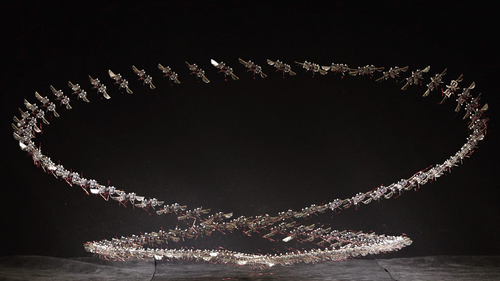
MIT researchers develop a bumblebee-sized robot weighing under 1 gram that flaps its wings 330 times per second, performs 10 consecutive somersaults in 11 seconds using AI-powered flight control, and could revolutionize search-and-rescue operations by navigating tight spaces within the next decade.
Key Points
- MIT researchers develop a tiny flying robot measuring 4 centimeters and weighing under 1 gram that matches bumblebee flight speed and can fit through tight spaces for search-and-rescue missions
- The robot uses an AI-powered deep learning controller that predicts behavior and adjusts wing motions in real time, enabling it to perform 10 consecutive somersaults in 11 seconds even in windy conditions
- The robot flaps its wings 330 times per second mimicking bumblebee flight patterns and is projected to be deployment-ready for rescue missions within 5-10 years