MIT's VibeGen AI Designs Proteins By Their Motion, Unlocking New Era In Medicine And Materials Science
Summary
MIT's new AI model VibeGen is revolutionizing molecular engineering by designing proteins based on their motion and vibrations rather than static structure, potentially unlocking breakthroughs in adaptive medicine and next-generation biomaterials like self-healing components and biodegradable plastics.
Key Points
- MIT engineers develop VibeGen, a groundbreaking AI model that designs proteins based on their motion and vibrations rather than just their static structure, marking a major shift in molecular engineering.
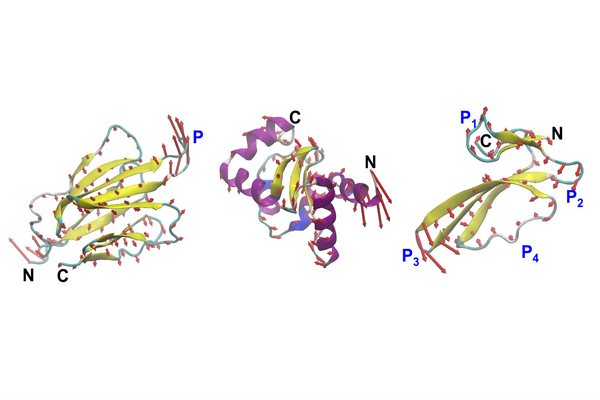
- VibeGen uses a dual-agent diffusion system where a 'designer' proposes protein sequences and a 'predictor' evaluates them, iterating until the result matches a targeted vibrational fingerprint, with physics-based simulations confirming the designs perform as intended.
- The technology opens new possibilities in medicine and materials science, enabling the creation of more adaptive therapeutic proteins and novel biomaterials like self-healing structural components or biodegradable alternatives to petroleum-based plastics.