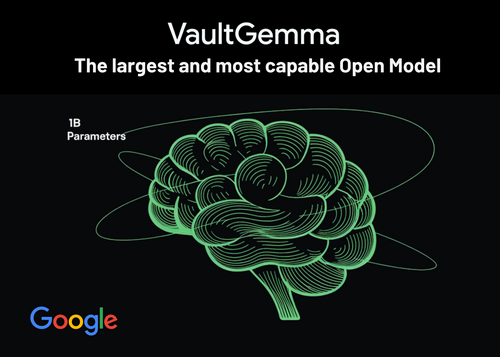
Google unveils VaultGemma 1B, largest private language model
Google AI unveils VaultGemma 1B, the largest private language model with differential privacy, achieving strong utility while preserving privacy, advancing safe and transparent AI models.
Google AI unveils VaultGemma 1B, the largest private language model with differential privacy, achieving strong utility while preserving privacy, advancing safe and transparent AI models.

F5 acquires CalypsoAI for $180 million, strengthening its AI security offerings with CalypsoAI's real-time threat defense and data security products for AI workloads; the cash-financed deal is expected to close this month.

The SANDBOX Act proposes granting AI developers regulatory exemptions to foster innovation, sparking debate over balancing technological progress with public safeguards against privacy and security risks.
The Federal Trade Commission investigates AI chatbots masquerading as companions, issuing orders to 7 companies for data on potential harmful effects on youth, scrutinizing how firms assess and mitigate risks to minors.

In a high-stakes legal battle, Meta faces a lawsuit from its former WhatsApp security chief alleging serious security vulnerabilities and retaliation for raising concerns, while Meta contests the claims and his significance.

Scholars sound alarms on AI risks like scams and collusion, advocating oversight, ethical guardrails, and pluralism to complement rather than replace human intelligence.

Researchers reveal a concerning vulnerability where seemingly normal images can contain hidden malicious code exploiting AI agents on user devices, allowing attackers to hijack systems, leak personal data, and spread malware through manipulated pixels undetectable to humans.
In a groundbreaking move, Anthropic becomes the first major tech company to endorse California's SB 53 AI bill, mandating transparency measures and safety procedures for advanced AI models offered in the state, aligning with recommendations from California's AI policy working group.

Hackers from the LunaLock ransomware group threaten to poison AI training data with stolen artwork unless ransom demands are met, prompting artists to use tools like Glaze and Nightside to protect their creations from exploitation.

Major tech giants integrate powerful language models directly into operating systems, sparking debates over AI safety and user privacy as these models gain unprecedented access to personal data, while proponents argue it enables risk mitigation strategies.